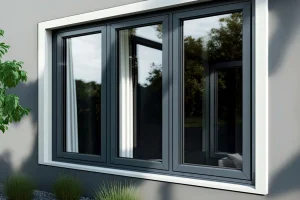
Saving the Past, Protecting the Future: Eco-Friendly Repairs for Historic Windows

Let’s be honest. The thought of repairing those beautiful, wobbly old windows can be daunting. You’re caught between a rock and a hard place—or maybe between modern vinyl and original wood. You want to preserve the character, the soul of the building. But you also feel a responsibility to the planet, to not just trash and replace with something new.
Here’s the good news: the most sustainable approach is almost always to repair what you have. It’s a win-win. You conserve embodied energy—that’s all the energy already spent to create the original materials—and you maintain historic integrity. This guide dives into the materials and methods that let you do right by both history and the environment.
Why Repair, Not Replace? The Green Heart of the Matter
Think of a vintage window like a seasoned craftsman. It has stories in its grain, adjustments in its fit. Tossing it creates waste and demands new resources. Repairing it honors its history and its future. The carbon footprint of manufacturing and transporting a new window unit, even an efficient one, is massive compared to a thoughtful repair.
That said, the goal isn’t just to patch things up. It’s to use sustainable window restoration techniques that extend the life for decades more. This is where material choices become everything.
Choosing Your Materials: The Eco-Friendly Toolkit
1. The Wood: Sourcing & Salvage
Need to replace a sash or a piece of trim? Don’t automatically buy new. First, look for salvaged wood from architectural salvage yards. It’s often old-growth timber—denser, more stable, and a perfect match for the species and age. If you must buy new, seek out FSC-certified wood from responsibly managed forests. It’s a simple choice with a big impact.
2. The Putty: Linseed Oil is King
Modern latex or acrylic glazing putties? Forget them. For historic window glazing repair, traditional linseed oil-based putty is your best friend. It’s made from natural materials (linseed oil and chalk), it cures flexibly, and it allows the wood to breathe. Most importantly, it’s reversible—a key principle in conservation. Future restorers won’t curse your name.
3. The Paint & Finish: Let it Breathe
Stripping old paint can be a mess, literally and environmentally. Avoid chemical strippers when you can. Heat guns (used carefully!) or infrared strippers are less toxic options. For repainting, choose high-quality, low-VOC or natural oil-based paints. They protect the wood without sealing it in a plastic-like tomb, allowing moisture vapor to escape. Milk paint is another fantastic, breathable historic option making a comeback.
4. The Glass: The Ultimate Recyclable
Broken pane? If it’s historic cylinder or crown glass, salvage is the only ethical choice. For more common old glass, a glass recycling center is good, but reusing it in a less visible location is even better. When installing new glass for energy efficient historic window repair, consider thin, modern double glazing units that fit in the existing rebate. Or, look into secondary glazing—adding a separate interior pane—which is non-invasive and super effective.
Methods That Matter: A Step-by-Step Mindset
Okay, so you’ve got your materials. How you use them is just as crucial. This isn’t about quick fixes; it’s about gentle, lasting intervention.
Assessment First: The Gentle Diagnosis
Start by really looking. Is the wood sound under the paint? Are the joints loose? Is it just the cords? Diagnose before you operate. Often, the problem is localized—rotted sill, failed putty—not a systemic failure. This targeted approach saves material and labor.
Repair, Don’t Scrap: The Dutchman Technique
For rotten sections, use a “Dutchman” repair. It’s a fancy term for splicing in a new piece of wood to replace only the bad part. You carve out the decayed section and fit a new, matching piece in its place. It preserves maybe 95% of the original fabric. That’s the essence of sustainable preservation carpentry.
Weatherizing the Green Way
Drafts are the main reason people replace windows. But you can seal them up beautifully with natural materials. Use wool pile weatherstripping—it’s renewable, effective, and lasts for ages. For gaps, consider natural cotton caulking rope. Combine these with properly adjusted sash weights and you’ll be shocked at the improvement in comfort.
| Common Problem | Traditional/Non-Eco Fix | Sustainable Repair Method |
|---|---|---|
| Draftiness | Plastic V-seal weatherstrip, silicone caulk | Wool pile weatherstrip, cotton caulk rope |
| Rotted Wood | Full sash replacement, epoxy fillers | Dutchman splice repair with salvaged wood |
| Failed Glazing | Acrylic latex putty | Traditional linseed oil putty |
| Inefficient Glass | Complete window unit replacement | Add interior secondary glazing |
The Big Picture: Energy & Ethics
There’s a persistent myth that old windows are hopelessly inefficient. It’s just not true. The vast majority of heat loss is through air infiltration, not the glass itself. A meticulously repaired, weather-sealed historic window with a storm panel or secondary glazing can perform nearly as well as a new vinyl unit—and it’ll last three times as long.
You know, this work is slow. It asks for patience. It’s not the “rip and replace” culture we’re used to. But in that slowness, there’s a deeper value. You’re not just a homeowner or a contractor; you’re a steward. Each decision—to salvage, to repair, to choose a natural material—is a small act of defiance against a disposable world.
So the next time you look at that wavering, single-pane window, don’t see a problem. See a potential. See a story that’s only halfway written. With the right eco-friendly methods, you can give it a next chapter that’s both authentic and kind to the world it now looks out upon.