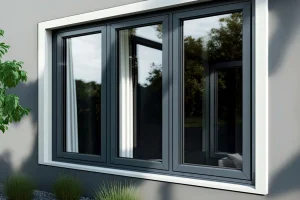
Preventative Maintenance Routines for Different Window Types to Avoid Costly Emergency Repairs

Let’s be honest—windows are one of those things we tend to ignore until something goes wrong. A draft appears out of nowhere, a pane gets foggy, or worse, a sash just won’t budge. That’s when you’re staring down the barrel of a hefty emergency repair bill. The good news? A little preventative maintenance goes a seriously long way.
Think of it like changing the oil in your car. Skip it, and you’re asking for a blown engine. Do it regularly, and everything runs smoother, longer. Your windows are no different. Here’s the deal: a tailored, seasonal check-up can prevent most common window failures. Let’s dive into the routines that’ll keep your windows—and your wallet—in great shape.
The Universal Basics: Maintenance Every Window Needs
No matter what style you have, some tasks are non-negotiable. Honestly, these are the low-effort, high-reward habits that form your first line of defense.
Seasonal Cleaning & Inspection
Twice a year—spring and fall is ideal—give your windows a proper once-over. This isn’t just about Windex. It’s your chance to play detective.
- Clean tracks and sills thoroughly: Grit and debris are the enemy of smooth operation. A vacuum attachment and a damp cloth work wonders.
- Check for drafts: On a windy day, hold a lit candle or incense stick near the frame. A flickering flame? You’ve found an air leak that needs sealing.
- Look for moisture or condensation between panes: That’s a sure sign of a failed seal in insulated glass, which means the unit is losing its energy efficiency.
- Inspect exterior caulking and weatherstripping: Cracked, brittle, or missing? It’s time for a re-application. This is a huge one for preventing water damage and rot.
Lubrication is Key
Sticky windows aren’t just annoying; forcing them can break hardware. Once a year, apply a silicone-based lubricant (not WD-40, it attracts dirt) to moving parts: tracks, hinges, locks, and the rollers on vinyl windows. It’s like giving your windows a sip of water after a long run.
Window-Specific Routines: Because One Size Doesn’t Fit All
This is where your maintenance gets smart. Different mechanisms mean different pain points.
Double-Hung & Single-Hung Windows
The classics. Their genius—and vulnerability—lies in the sash cords, balances, or springs that let them slide up and down.
- Focus on the balance system: Listen for grinding noises when operating. If a sash is suddenly hard to lift or won’t stay up, the balance (often a spring or block-and-tackle system) is likely failing. Address it before it snaps.
- Clean the jamb liners: These vertical tracks on each side get filthy. Wipe them down with a mild detergent to keep slides smooth.
- Check the tilt-latch mechanisms: On modern models that tilt in for cleaning, ensure the latches engage securely. A loose latch can lead to a sash falling out—a genuine emergency.
Casement & Awning Windows (Crank-Out Styles)
Operated by a crank handle, these windows offer a great seal but have more mechanical parts. The operator mechanism is the heart of it.
- Test the crank operation slowly: Feel for resistance or a “skipping” sensation. That often means worn gears in the operator.
- Inspect the sash locks (often called “cockspur” handles): Make sure they pull the window tight against the weatherstripping when locked. A loose lock equals a leaky window.
- Examine the hinges: Look for stress cracks in the frame near the hinges, especially on larger windows. Lubricate hinge pins.
- Don’t force it: If the window doesn’t open easily, never force the crank. You’ll strip the gears. The problem is usually a misaligned sash or a dirty track.
Sliding Windows & Patio Doors
These workhorses bear the brunt of foot traffic and weather. Their main issues? Track alignment and roller wear.
- Keep the track immaculate: Seriously, this is 90% of the battle. Dirt and pebbles in the bottom track will grind down rollers and strain the frame.
- Adjust the rollers: Most sliding units have adjustment screws at the bottom to raise or lower the sash. If it’s dragging or too loose, a simple tweak can restore that smooth glide.
- Check the weather seal in the track: A brush or fin seal sits in the track to block drafts. Ensure it’s not crushed or missing.
Bay & Bow Windows
These beautiful projections are structurally complex. The big worry here isn’t just the windows themselves, but the roof above and the support below.
- Inspect the roof flashing meticulously: Water intrusion from a leaking roof panel is the #1 cause of rot in bay windows. Look for cracked sealant or corroded flashing.
- Check for sagging: Sight along the window from the side. Does the center look low? That indicates a possible structural issue with the support bracket (called a corbel).
- Mind the interior seams: Where the side windows meet the front, caulking can fail. Re-caulk any gaps to keep energy costs in check.
Material Matters: Wood, Vinyl, Aluminum & Fiberglass
The frame material dictates its own care. Neglect this, and you’re inviting material-specific failures.
| Material | Biggest Threat | Preventative Action |
| Wood | Rot & Moisture | Annual inspection of paint/sealant. Sand & repaint any blistering or cracks immediately. Ensure weep holes at the bottom of the exterior are clear. |
| Vinyl | Warping & Seal Failure | Avoid pressure washing near seals. Don’t use abrasive cleaners. Check for plumb and square; vinyl can bend under stress. |
| Aluminum | Corrosion & Thermal Transfer | Clean oxidation with a vinegar solution. Check for “thermal breaks” – if the interior feels very cold, the frame is conducting heat out. |
| Fiberglass | Few, but… | Most durable. Just check finish coatings for UV fading or chipping and touch up as needed. |
Putting It All Together: Your Seasonal Maintenance Calendar
Feeling overwhelmed? Don’t. Break it down. Here’s a simple, no-fuss calendar to follow.
- Spring (The Post-Winter Check): Clean everything. Inspect for winter storm damage—cracks, leaks, failed seals. Lubricate all moving parts. Prep for rainy season by clearing exterior drainage paths.
- Fall (The Pre-Winter Fortification): This is the critical one. Re-caulk and replace weatherstripping as needed. Ensure all locks and closures are tight. Clear tracks of fallen leaves and debris. Your goal is to batten down the hatches.
- Every 5-7 Years (The Deep Dive): Consider a professional inspection, especially for complex or historic windows. Re-glaze putty on old wood windows. Re-stain or repaint wood frames if needed.
Look, windows are a dialogue between your home and the world. A bit of regular, thoughtful conversation—a cleaning here, a lubrication there—prevents that dialogue from turning into a shouting match of emergency repairs. It’s not about perfection; it’s about paying attention. And in the end, that attention is what preserves your view, your comfort, and yes, your hard-earned money.